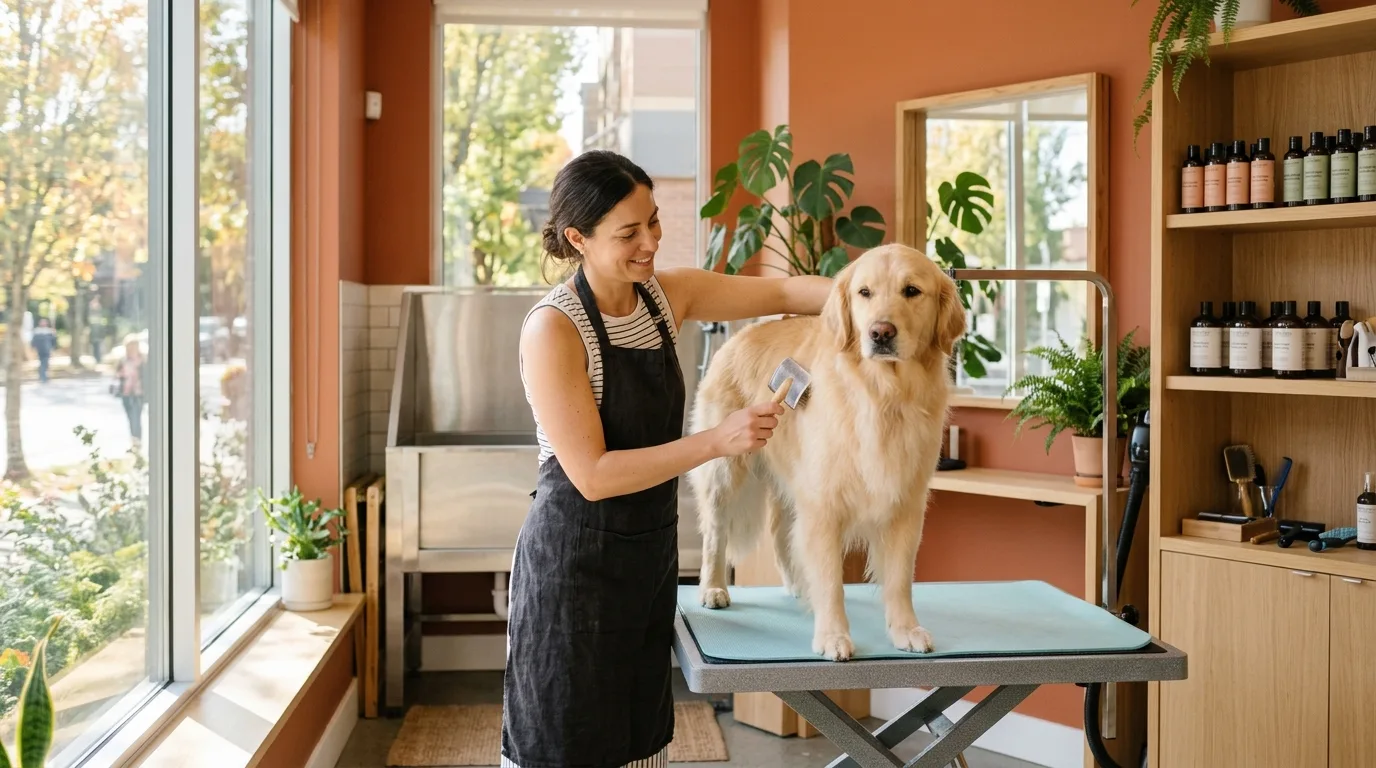
Deciding to start a dog grooming business in Canada is one of the most rewarding career choices for animal lovers and skilled pet stylists. Canada's pet population has surged to over 7.9 million dogs, with pet parents in urban centres like Toronto, Vancouver, Calgary, and Montreal actively seeking compassionate, calm-handling groomers.
However, turning your passion into a resilient, profitable enterprise requires more than sharp shears and high-velocity dryers. In Canada, pet grooming sits at the intersection of municipal zoning, provincial corporate registries, Canada Revenue Agency (CRA) small-supplier rules, and extreme seasonal weather shifts. This comprehensive guide walks you through every practical step of opening a dog grooming business across Canada, helping you avoid expensive administrative missteps and build a sustainable schedule from day one.
1. Choose Your Business Model: Home Studio, Mobile Van, or Storefront
Before registering a business name or purchasing equipment, you must determine which operating model matches your capital, physical space, and lifestyle goals. In Canada, three distinct operational paths dominate the pet grooming business landscape:
A. Home-Based Grooming Studio
Operating a dog grooming business at home represents the lowest overhead entry point. Converting a spare ground-floor room, finished basement, or heated garage allows you to keep monthly expenses minimal while learning the ropes.
- Initial Investment: CA$6,500 to CA$15,000 for plumbing, electrical retrofitting, and grooming equipment.
- Pros: Zero commercial rent, zero daily commute, deductible home-office expenses on your Canadian T2125 tax return.
- Cons: Foot traffic in your private residence, strict municipal home occupation restrictions, and noise limits in residential subdivisions.
B. Mobile Grooming Van
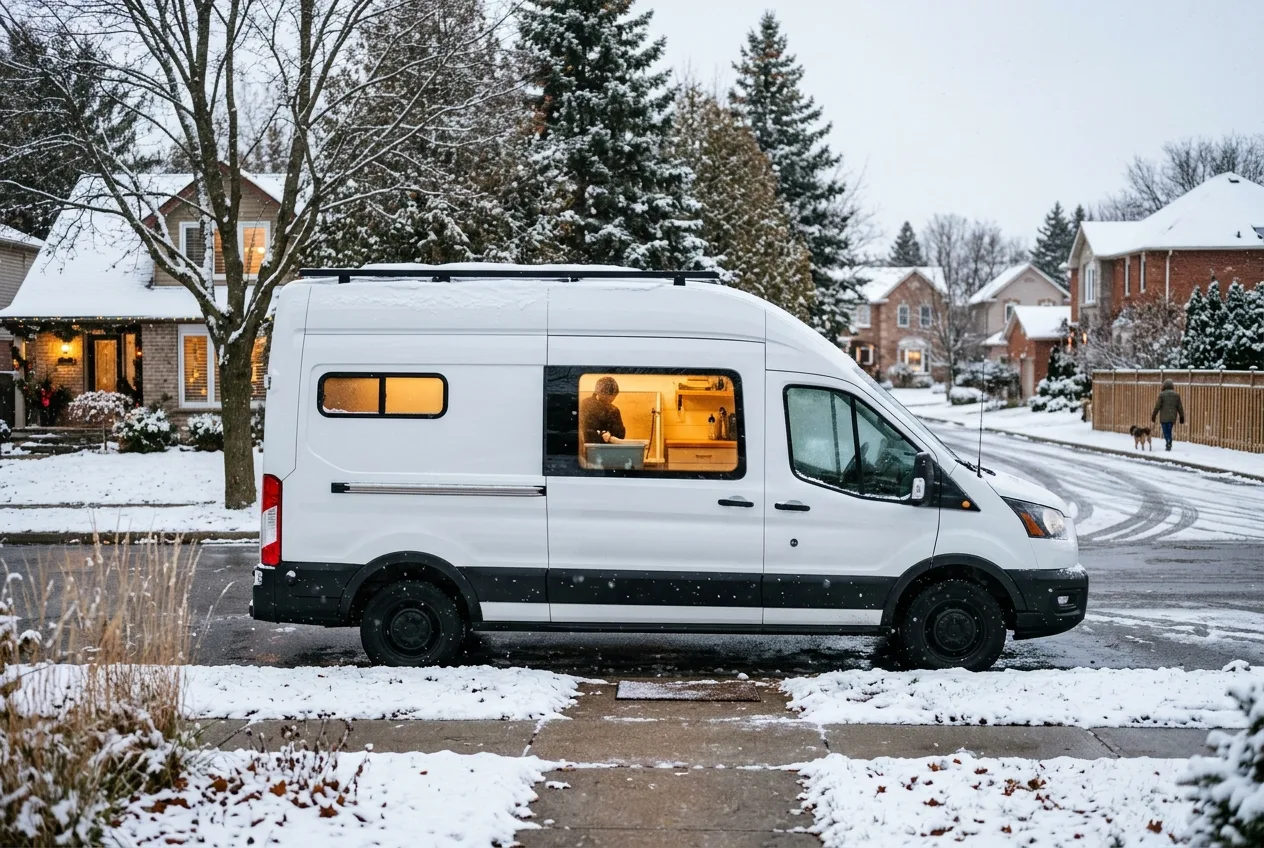
Mobile dog grooming has grown rapidly across Canadian suburbs and high-density neighbourhoods. Groomers outfit an extended van (such as a Ford Transit, Mercedes Sprinter, or Ram ProMaster) with a self-contained warm water tank, generator, and inverter heating system.
- Initial Investment: CA$45,000 to CA$95,000 (used converted van) to CA$120,000+ (custom new build).
- Pros: Premium service pricing (often 30% to 50% above salon table rates), maximum convenience for pet owners, flexibility to choose your service radius.
- Cons: Canadian winter freezing risks (winterizing water lines is mandatory), high fuel and vehicle maintenance costs, commercial parking bylaws.
C. Commercial Storefront Boutique
A traditional brick-and-mortar pet salon in a strip plaza or commercial neighbourhood provides high visibility, retail display space for canine wellness products, and the capacity to house multiple grooming tables.
- Initial Investment: CA$35,000 to CA$85,000+ for commercial leasehold improvements, heavy-duty commercial plumbing, backflow preventers, and drying suites.
- Pros: Highest revenue ceiling, ability to hire assistant bathers and groomers, walk-in appointment opportunities.
- Cons: Substantial monthly rent commitments, triple-net (NNN) commercial lease obligations, and long lease agreements.

2. Canadian Business Registration & Legal Structures
When setting up a dog grooming business, you must choose a formal legal structure recognized in your province or territory:
Sole Proprietorship
The simplest structure. You and your business are legally identical. All revenues flow through your personal Canadian income tax return (Form T2125). If operating under your legal personal name (e.g., Sarah Jenkins Dog Grooming), some provinces do not require name registration; however, if you create a trade brand (e.g., Maple Ridge Pet Spa), you must register your Master Business Licence with your provincial registry (such as the Ontario Business Registry or BC Corporate Registry).
Risk factor: You carry unlimited personal liability for any debts or accidental dog injuries that exceed your insurance limits.
Corporation (Federal or Provincial)
An incorporated company creates a separate legal entity. This structure insulates your personal home and personal assets from business liabilities—an important consideration when handling unpredictable, reactive, or giant-breed dogs. Incorporation entails higher initial legal and accounting costs (typically CA$700 to CA$1,800 to incorporate plus annual T2 corporate filings).
Obtaining Your 9-Digit CRA Business Number (BN)
The Canada Revenue Agency Business Registration Online (BRO) portal allows you to register for a unique 9-digit Business Number in minutes. This number acts as your official Canadian tax identifier for income tax, payroll deductions, and GST/HST accounts.
3. CRA Tax Rules, the $30,000 Threshold, and Provincial Sales Taxes
Tax compliance causes substantial anxiety for first-time groomers. Fortunately, the Canadian tax system offers a clear framework for small businesses:
The CA$30,000 Small-Supplier Threshold
Under CRA statutory guidelines, you are considered a small supplier if your gross taxable revenues from grooming services and retail merchandise do not exceed CA$30,000 in a single calendar quarter or across four consecutive calendar quarters.
- Below CA$30,000: You are not legally required to register for or collect GST/HST. You do not charge sales tax to pet owners. However, you cannot claim Input Tax Credits (ITCs) to recover the sales tax paid on your equipment.
- Above CA$30,000: Once your gross revenues surpass CA$30,000, you have 29 days to register for a GST/HST account with the CRA. From your registration date forward, you must calculate, collect, and remit the applicable sales tax on every grooming service.
Provincial Sales Tax Rates (2026 Overview)
Grooming services are subject to sales taxes based on the province where the service is rendered:
- Ontario: 13% Harmonized Sales Tax (HST)
- British Columbia: 5% GST + 7% PST (PST registration required via eTaxBC)
- Quebec: 5% GST + 9.975% QST (Administered by Revenu Québec)
- Alberta, Yukon, NWT, Nunavut: 5% GST only (no provincial sales tax)
- Nova Scotia, New Brunswick, PEI, Newfoundland: 15% HST
- Saskatchewan: 5% GST + 6% PST; Manitoba: 5% GST + 7% PST
4. Municipal Pet Business Licensing, Zoning, and BizPaL Requirements
While there is no provincial licence for individual pet groomers, Canadian municipalities have total authority over business operations within their boundaries:
Using BizPaL to Identify Exact Local Permits
The Government of Canada operates BizPaL (Business Permits and Licences), an online service that consolidates federal, provincial, and municipal permit requirements. Enter your municipality (e.g., City of Calgary, City of Mississauga, or Ville de Gatineau) and select "Pet Grooming" to generate your custom municipal regulatory checklist. For an in-depth provincial breakdown of animal welfare acts (such as Ontario's PAWS Act and BC's PCA Act) and regional pricing data, consult our comprehensive guide on the dog grooming business in Canada.
Common Municipal Bylaw Considerations
- Pet Establishment Licences: Many cities (such as Toronto, Ottawa, and Vancouver) require a specialized commercial pet service permit with annual inspection fees ranging from CA$150 to CA$600.
- Home Occupation Restrictions: If working from home, bylaws often restrict client vehicle traffic to one car at a time, prohibit exterior commercial neon signage, and mandate that grooming equipment not be audible beyond property boundaries.
- Canine Waste and Hair Drainage: Municipal wastewater bylaws strictly regulate biological pet waste and excessive dog fur down city sewers. Installing heavy-duty in-tub fur traps and lint strainers is essential to avoid hefty commercial plumbing fines.
- Rabies By-law Compliance: Canadian municipalities require domestic dogs over three months of age to hold valid rabies immunizations. Salons must verify and log rabies expiry dates before animals step onto grooming tables.
5. Essential Equipment Costs & Salon Budgeting in Canada
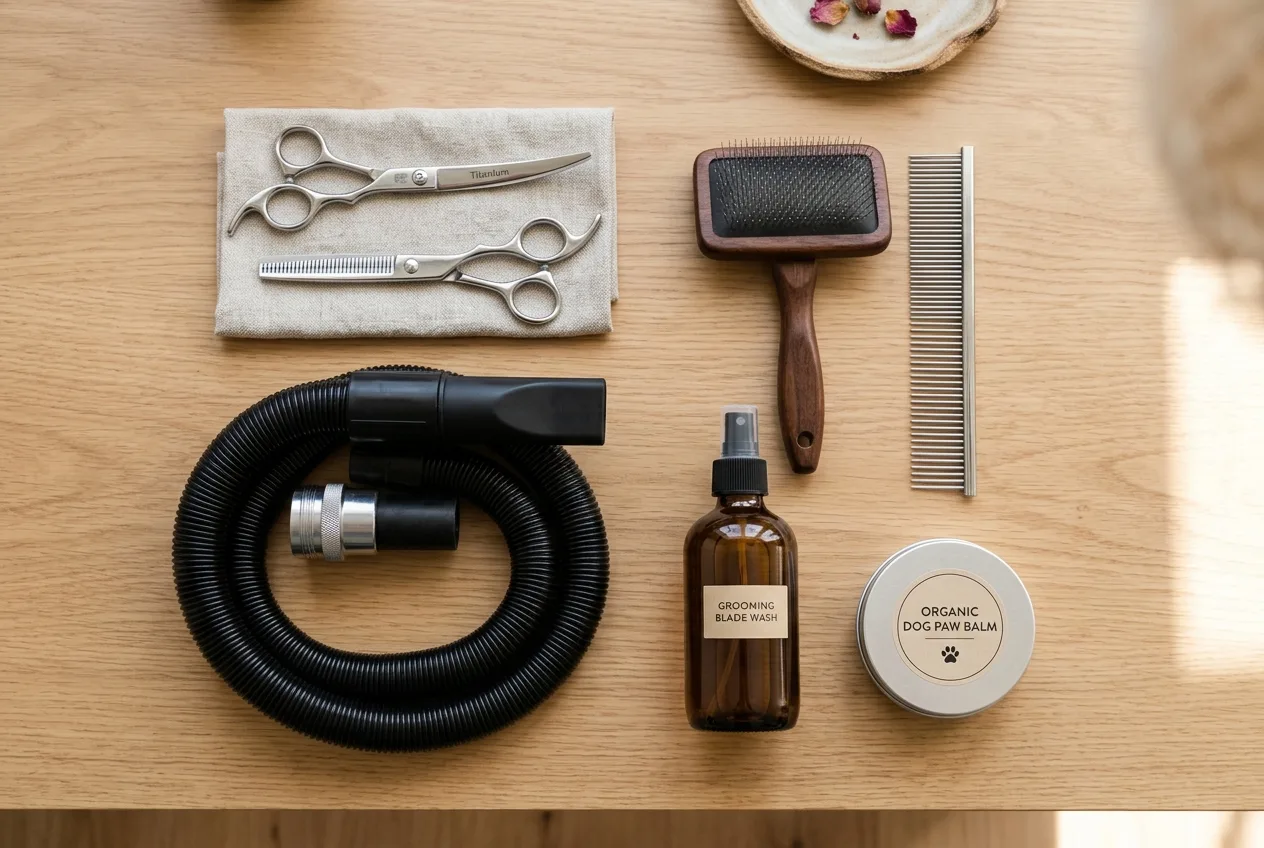
Investing in ergonomic, commercial-grade equipment prevents repetitive strain injuries, protects your back and wrists, and ensures humane canine handling. Below is a realistic equipment breakdown for an independent Canadian dog grooming setup in 2026:
| Equipment Category | Essential Items & Specifications | Estimated Cost (CAD) |
|---|---|---|
| Hydraulic or Electric Table | Foot-pedal low-low electric table (reduces heavy dog lifting; 250 lb capacity) | CA$1,200 – CA$2,400 |
| Professional Bathing Tub | 304-gauge stainless steel tub with ramp, backsplash, and fur trap strainer | CA$1,800 – CA$3,600 |
| High-Velocity Force Dryers | Dual-motor variable-speed force dryer + quiet stand finishing dryer | CA$750 – CA$1,600 |
| Professional Clippers & Blades | 2 cordless 2-speed clippers, #10, #30, #7F, #5F, #4F steel & ceramic blades | CA$900 – CA$1,500 |
| Shear Collection | 7.5" straight, 8" curved, 48-tooth thinning blender, and chunker shears | CA$600 – CA$1,400 |
| Sanitation & Disinfection | Hospital-grade canine virucide (e.g. Prevail / Rescue), blade disinfectant jar | CA$250 – CA$450 |
| Brushes, Combs & Dematting | Extra-firm slickers, greyhound steel combs, undercoat rakes, nail grinders | CA$350 – CA$650 |
| Software & Administration | Appointment book, client canine health vault, and CRA small-supplier tracker (Pekingese) | CA$179 / year (CA$14.92/mo) |
| Total Initial Equipment Package | Professional baseline setup to open doors safely | CA$6,029 – CA$12,779 CAD |
Pro-tip: Avoid cheap consumer clippers or non-rated grooming tables. A single table failure or motor burnout mid-grooming disrupts your schedule and compromises animal safety.
6. Operating Through the Canadian Seasons: Winter Slush to Spring Blowout
Running a dog groomer business in Canada involves distinct seasonal cycles that dictate coat conditions, client appointment cadence, and salon workflows:
Winter (November to March): De-Icing Salt, Snowballs & Dry Skin
Harsh Canadian winters bring road salt, calcium chloride, and icy slush. Dogs develop painful ice balls between paw pads and dry, flaky skin from indoor forced-air heating. Offer conditioning paw-soak treatments and hydrating mud baths. If you operate a mobile grooming van, plumbing lines must be kept warm overnight to prevent catastrophic pipe bursts in -20°C temperatures.
Spring (April to June): The Undercoat Blowout Surge
As temperatures warm, double-coated Canadian favourites (Siberian Huskies, Golden Retrievers, Bernese Mountain Dogs, and German Shepherds) undergo massive seasonal coat sheds. Your high-velocity dryer and undercoat de-shedding rakes will work overtime. Implement deposit rules to protect your calendar from no-shows during this high-demand peak season.
Summer (July to August): Matted Doodles & Tick Vigilance
Summer brings cottage weekends, lake swimming, and humid air. Swimming without thorough brushing causes severe coat matting in Doodles and Poodles. Summer is also prime tick season across southern Ontario, Quebec, the Maritimes, and the BC Interior. Inspect every canine client during the initial intake check.
Autumn (September to October): Winter Coat Prep
Pet parents prepare their dogs for colder weather by scheduling maintenance trims that retain warmth while keeping legs and bellies short to minimize slush pickup.
7. Professional Standards, Safety Protocols, and Insurance
Because Canadian pet grooming is unregulated, gaining formal credentials and carrying robust insurance coverage instantly establishes trust with discerning dog owners:
Certification via Canadian Professional Pet Stylists (CPPS)
The Canadian Professional Pet Stylists (CPPS) is Canada's federally registered non-profit certification body. Pursuing CPPS certification provides standardized testing across canine bather technician skills, group coat profiles (Sporting, Terriers, Non-Sporting), and Master Groomer standards. Displaying your CPPS credential sets your salon apart from untrained hobbyists.
Essential Business Insurance Policies
- Commercial General Liability (CGL): Protects against third-party injuries (e.g., an owner slipping on wet tile in your reception area) or accidental property damage. Secure at least CA$2,000,000 in coverage.
- Bailee’s Coverage (Animal Floater): Critical for pet care businesses. Standard commercial insurance excludes animals under your custody. Bailee's insurance covers veterinary medical treatment if a dog is injured, ingested shampoo, or taken ill while in your salon's care.
Handling Cancellations & No-Shows with Interac Deposits
In Canada, empty slots cost independent groomers an estimated CA$4,000 to CA$9,000 in unrecovered chair income each year. Requiring a modest CA$25 to CA$50 reservation deposit via direct Interac e-Transfer ensures financial friction against last-minute no-shows while keeping your calendar full.
8. Frequently Asked Questions
Do you need a licence to groom dogs in Canada?
There is no federal or provincial licence required to work as a dog groomer in Canada. However, you must obtain a municipal business licence or home occupation permit from your city or township, and your facility must comply with local zoning and animal welfare standards.
How much does it cost to start a dog grooming business in Canada?
Startup costs range from CA$6,500 to CA$15,000 for a home-based studio, CA$45,000 to CA$95,000 for a fully outfitted mobile grooming van, and CA$35,000 to CA$85,000+ for a commercial storefront leasehold buildout including plumbing, electrical, and commercial drying stations.
When must a Canadian dog grooming salon register for GST/HST?
Under Canada Revenue Agency rules, you must register for and charge GST/HST once your gross taxable sales exceed CA$30,000 in a single calendar quarter or across four consecutive calendar quarters. Below this small-supplier threshold, registration is optional.
Can I run a dog grooming business from my home in Canada?
Yes, provided your property's municipal zoning permits home occupations. Most Canadian cities require a Home Occupation Permit, client parking space, proper wastewater management, and adherence to residential noise bylaws regarding barking.
What insurance does a Canadian dog groomer need?
Essential coverage includes Commercial General Liability (CGL) of at least CA$2,000,000 to cover client slips and property damage, and Bailee's Insurance (care, custody, and control coverage) to protect pets against accidental injury or illness while in your custody.
Building Your Independent Canadian Grooming Salon
Starting a dog grooming business in Canada combines artistic craftsmanship with entrepreneurial freedom. By structuring your business properly, monitoring your CRA CA$30,000 threshold, adhering to local municipal pet bylaws, and investing in durable equipment, you position your salon for enduring financial health.
As your table calendar fills up, administrative tasks—such as logging rabies certificates, tracking Interac e-Transfer deposits, and reminding doodle owners of their 6-week coat cycle—can easily consume your evenings. To compare features and Canadian dollar pricing across the leading management platforms, read our comprehensive review of the best dog grooming software in Canada.
Keep Your Calendar Full and Your Days Calm
Pekingese was built specifically for independent Canadian groomers. Manage your daily appointment run, protect your chair from no-shows, and generate accountant-ready tax invoices in Canadian funds.
Start Your 7-Day Free Trial